The Role of Gutters in Protecting Your Home from Water Damage
Table Of Contents
The Role of Downspouts in Gutter Systems
Downspouts are a crucial component of gutter systems, directing rainwater away from the roof and foundation of a home. They ensure that the collected water from the gutters is efficiently channeled to the ground, reducing the risk of pooling around the property. Without downspouts, excess water can spill over the edges of the gutters, leading to potential damage to landscaping, pathways, and, ultimately, the structure itself.
The effectiveness of downspouts also depends on their placement and size. Strategically positioned downspouts can help distribute water evenly across the yard, while larger downspouts may be necessary in areas that experience heavy rainfall. Regular inspections are essential to ensure that downspouts are not blocked by debris, as clogs can hinder their function and contribute to water damage. Proper maintenance plays a vital role in keeping these systems running smoothly.
How Downspouts Impact Water Flow
Downspouts play a crucial role in directing rainwater away from the roof and foundation of your home. They work in tandem with gutters to ensure that water flows efficiently through the system. If downspouts are clogged or improperly positioned, it can create overflow issues, leading to potential damage. Poor water flow not only increases the risk of erosion around the home but can also result in flooding in basements or crawl spaces.
The design and placement of downspouts significantly affect how well water is managed during heavy rain events. Strategically situated downspouts ensure that water is discharged far enough from the property to prevent pooling or damaging the landscape. Regular checks and maintenance of downspouts are essential to keep them functioning optimally, especially after storms when debris can obstruct proper flow. This attention helps enhance the overall efficiency of the gutter system, safeguarding your home against water-related damage.
Gutter Guards
Gutter guards offer a practical solution for homeowners looking to prevent debris accumulation in their gutters. These protective coverings can help keep out leaves, twigs, and other organic material that typically clog the system. By minimising blockages, these guards can significantly reduce the frequency of necessary cleaning and maintenance tasks.
Installing gutter guards can also enhance the overall effectiveness of your home's drainage system. With fewer obstructions, rainwater flows more freely through the gutters and downspouts, decreasing the risk of overflow and potential water damage to the home’s foundation. In regions that experience heavy rainfall, reliable water management becomes even more crucial, making gutter guards an appealing consideration for those wanting to safeguard their property.
Benefits of Installing Gutter Guards
Gutter guards provide a crucial barrier against debris accumulation in gutter systems. By preventing leaves, twigs, and other materials from entering the gutters, they allow for unobstructed water flow. This reduction in blockages lessens the need for frequent cleaning, saving homeowners both time and effort. In addition, clear gutters enhance the overall efficiency of the drainage system, reducing the risk of overflow during heavy rain.
Another significant advantage of gutter guards is their role in minimising the likelihood of water damage. With fewer blockages, gutters can effectively channel rainwater away from the home's foundation, preventing potential issues such as mould growth and structural degradation. Furthermore, by keeping pests, such as insects and rodents, away from the gutters, guards contribute to a healthier environment around the home. These benefits collectively enhance the longevity and functionality of the entire gutter system.
Seasonal Maintenance Tips for Gutters
Regular inspections of gutters are essential, especially as seasons change. During autumn, falling leaves can clog gutters, leading to water pooling and potential damage. Clearing out debris should be a priority to ensure proper water flow. In spring, it’s advisable to check for any winter damage, including rust or corrosion.
Preparing gutters for winter is equally important. Ice formation can cause significant issues, so ensuring gutters are clear will help mitigate this risk. In warmer months, keeping gutters clean and free from pests helps maintain their efficiency. An annual inspection can prevent minor issues from escalating into costly repairs.
Preparing Your Gutters for Different Weather Conditions
Regular inspection and cleaning are essential as seasons change. In autumn, fallen leaves can clog gutters, leading to water overflow. It is crucial to clear the debris to ensure efficient water flow. In regions where rain is frequent, check for any signs of rust or wear in the gutter system. Addressing these issues promptly can prevent significant damage down the line.
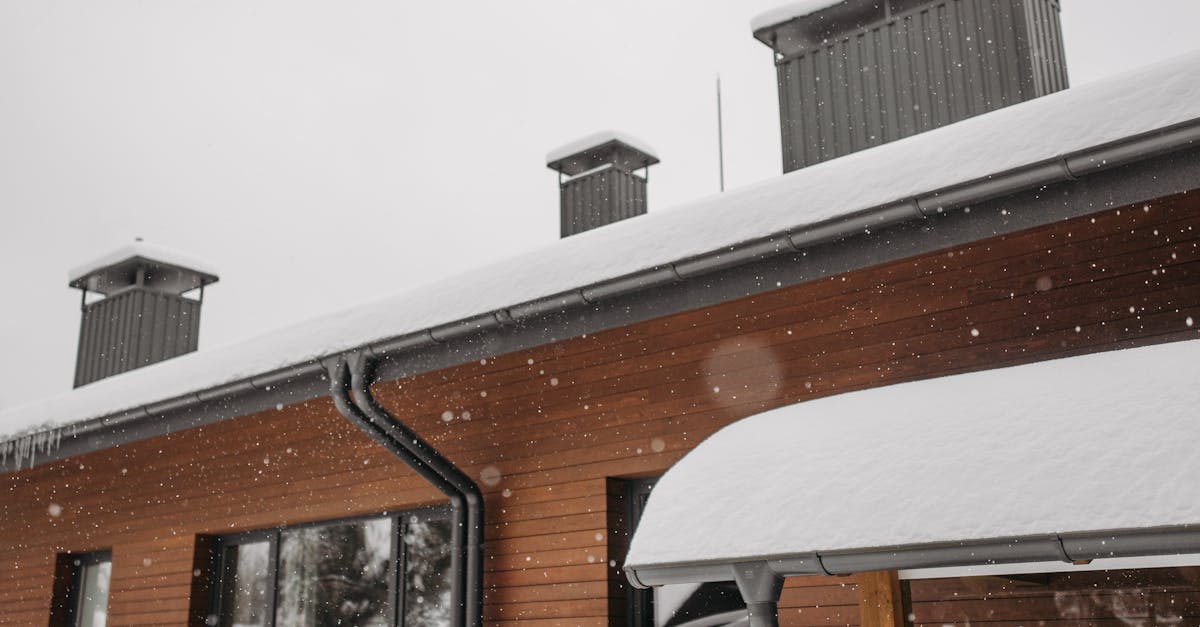
Winter brings its own challenges, especially in areas prone to snow. Heavy snow accumulation can add excessive weight to gutters, risking damage or detachment. Ensure that gutters are securely fastened to the roof and check for any blockages that may trap melting snow. By maintaining clean and sturdy gutters, homeowners can mitigate potential water damage from winter conditions.
FAQS
What is the main purpose of gutters in a home?
The main purpose of gutters is to collect and direct rainwater away from the roof and foundation of a house, helping to prevent water damage and erosion.
How do downspouts contribute to a gutter system?
Downspouts are essential components of a gutter system, as they channel the collected rainwater from the gutters down to the ground, ensuring proper drainage away from the home's foundation.
Are gutter guards necessary for all homes?
Gutter guards are not required for all homes, but they can be beneficial in reducing debris accumulation in gutters, which can lead to clogs and water damage.
What are the advantages of installing gutter guards?
The advantages of installing gutter guards include less frequent cleaning, prevention of clogs, improved water flow, and extended lifespan of the gutter system.
What should I do to maintain my gutters throughout the seasons?
To maintain your gutters, regularly inspect and clean them, ensure downspouts are functioning properly, and prepare them for different weather conditions by addressing any potential issues or blockages.
Related Links
Understanding the Connection Between Gutters and Foundation ProtectionPreventing Water Penetration Through Effective Gutter Systems
Why Regular Gutter Cleaning is Essential for Rainwater Management
Importance of Clean Gutters in Stormwater Management Strategies
The Impact of Blocked Gutters on Household Water Damage
The Relationship Between Gutter Health and Home Structural Integrity