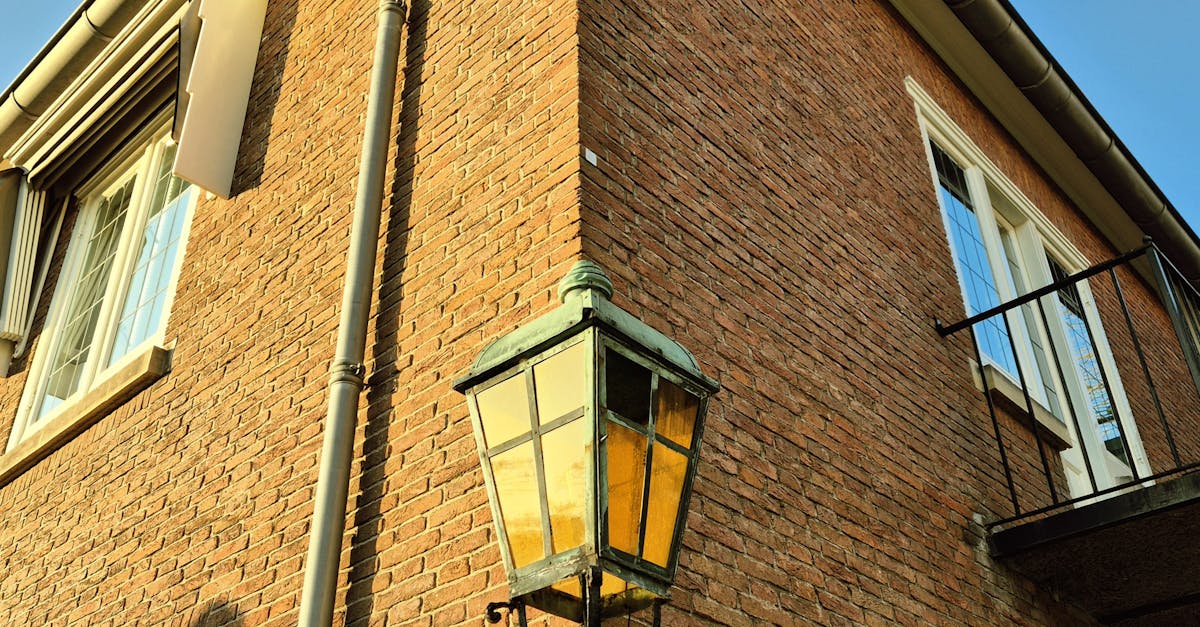
Transform Your Home's Look with Clean and Functional Gutters
Table Of Contents
Upgrading to Modern Gutter Systems
Modern gutter systems offer a combination of enhanced durability and functionality that significantly improve a home's overall aesthetic and structural integrity. Traditional gutter materials, such as steel or vinyl, are being replaced by more resilient alternatives like aluminium or copper. These materials withstand harsh weather conditions and prevent rust or corrosion, ensuring a longer lifespan. Additionally, many modern designs come in various colours and finishes, allowing homeowners to choose options that seamlessly blend with their property's exterior.
Investing in upgraded gutter systems can also lead to improved water management. Designs that incorporate features like larger downspouts or integrated leaf guards minimise clogs and facilitate better drainage. This efficient water management helps protect a home’s foundation, reducing the risk of water damage and erosion. Homeowners seeking to enhance their property’s value and functionality will find that the benefits of modern gutter systems extend beyond mere aesthetics, offering long-term protection and peace of mind.
Benefits of Upgrading Your Gutters
Upgrading your gutters can significantly enhance the overall efficiency of your home's drainage system. Modern materials such as aluminium or vinyl offer improved durability and resistance to corrosion, providing longevity that surpasses older systems. Advanced designs also better accommodate heavy rainfall and tougher weather conditions, leading to fewer maintenance issues over time. Improved water flow management reduces the risk of water damage to your home's foundation, ensuring that your property remains in good condition.
In addition to functionality, new gutter systems can contribute to your home's aesthetic appeal. A variety of styles and colours are now available, allowing homeowners to choose options that complement their exterior design. This enhancement not only boosts curb appeal but can also add value to your property. Investing in upgraded gutters means investing in both your home's structure and its visual charm.
The Impact of Clogged Gutters
Clogged gutters can lead to a myriad of issues that often extend beyond mere aesthetics. Water overflow can damage the roof, siding, and foundation of a home, creating costly repairs in the long run. When gutters fail to direct rainwater away from the house, it can seep into cracks and crevices, causing structural damage and encouraging mould growth. This not only compromises the integrity of the building but also poses health risks to its occupants.
Pests are another unwelcome consequence of neglected gutters. Debris accumulation creates an ideal breeding ground for insects and rodents. Mosquitoes, in particular, thrive in stagnant water, making a home with clogged gutters more susceptible to infestations. Additionally, animals such as birds may decide to nest in the debris, further obstructing water flow and exacerbating the problem. Maintaining clear gutters is essential for preventing these complications and ensuring a safe environment.
Understanding the Risks of Neglected Gutters
Neglecting your gutters can lead to significant structural damage over time. When debris accumulates, it obstructs water flow, causing it to overflow. This excess water can erode soil around your home, undermining its foundation. The damage can extend to your roof as well, leading to leaks and potential mould growth inside your property.
Pests are often drawn to clogged gutters, creating an ideal environment for insects and rodents. These critters can find entry points into your home, posing health risks to you and your family. The longer you delay addressing gutter maintenance, the higher the likelihood of costly repairs down the line. Regular inspections and cleaning can prevent these issues and ensure your home remains safe and secure.
DIY Gutter Installation
Many homeowners consider installing gutters themselves to save on labour costs. Before beginning the project, it is essential to thoroughly research the types of gutters available and the specific requirements for your home. Having the right tools is crucial. Essential items typically include a level, measuring tape, safety gear, and appropriate fasteners. Familiarity with using ladders safely is also necessary, as working at heights poses risks.
Determining your skill level will guide your decision. If you have experience with similar home improvement projects, you may feel confident tackling this task. However, if you are unsure about your abilities, it might be wise to consult professional installers. Proper installation is vital for gutter functionality and can prevent future maintenance issues. Taking the time to evaluate your skills can lead to a more successful outcome and an aesthetically pleasing addition to your home.
Assessing Your Skills and Tools
Embarking on a DIY gutter installation project requires a clear understanding of your skill level. If you have previous experience with home improvement tasks, such as plumbing or carpentry, you may find this project manageable. Familiarity with tools like drills, levels, and measuring tapes is essential. Realistic self-assessment helps prevent frustration and ensures you approach the task with confidence.
Additionally, having the right tools on hand is crucial for a successful installation. Basic tools include a ladder, safety goggles, and gloves, as well as a saw and a rivet tool or gutter screws for assembly. Consider the complexity of the gutter system you intend to install. For intricate designs or unconventional shapes, you might need specialized tools or assistance. Thorough preparation in both skills and equipment can lead to a smoother installation experience.
FAQS
Why should I upgrade to modern gutter systems?
Upgrading to modern gutter systems can improve your home's aesthetic appeal, enhance functionality, and reduce maintenance needs. Modern gutters are often designed to be more efficient at directing water away from your home, helping to prevent water damage.
What are some benefits of upgrading my gutters?
The benefits include improved water management, reduced risk of foundation damage, decreased likelihood of pest infestations, and enhanced curb appeal. New gutter systems can also save you time and money in the long run by requiring less maintenance.
What are the risks associated with clogged gutters?
Clogged gutters can lead to water overflow, which can cause damage to your home's foundation, siding, and landscaping. They can also create an environment for mould growth and attract pests such as mosquitoes and rodents.
How can I tell if my gutters are neglected?
Signs of neglected gutters include visible debris accumulation, sagging or misalignment, water stains on the exterior walls, and frequent water pooling near the foundation. If you notice any of these issues, it may be time to clean or upgrade your gutters.
Is DIY gutter installation a good idea?
DIY gutter installation can be a viable option if you have the necessary skills and tools. However, it’s important to assess your comfort level with heights, as well as your ability to measure and install accurately. If in doubt, hiring a professional may be the safer choice.
Related Links
Gutter Appearance: A Key Element of Your Home's Curb AppealThe Aesthetic Benefits of Regular Gutter Maintenance
Innovative Gutter Solutions to Improve Your Home's Exterior
The Impact of Neglected Gutters on External Visual Appeal
The Connection Between Gutter Cleanliness and Home Value
Ensuring Your Gutters Shine: Tips for Enhancing Curb Appeal